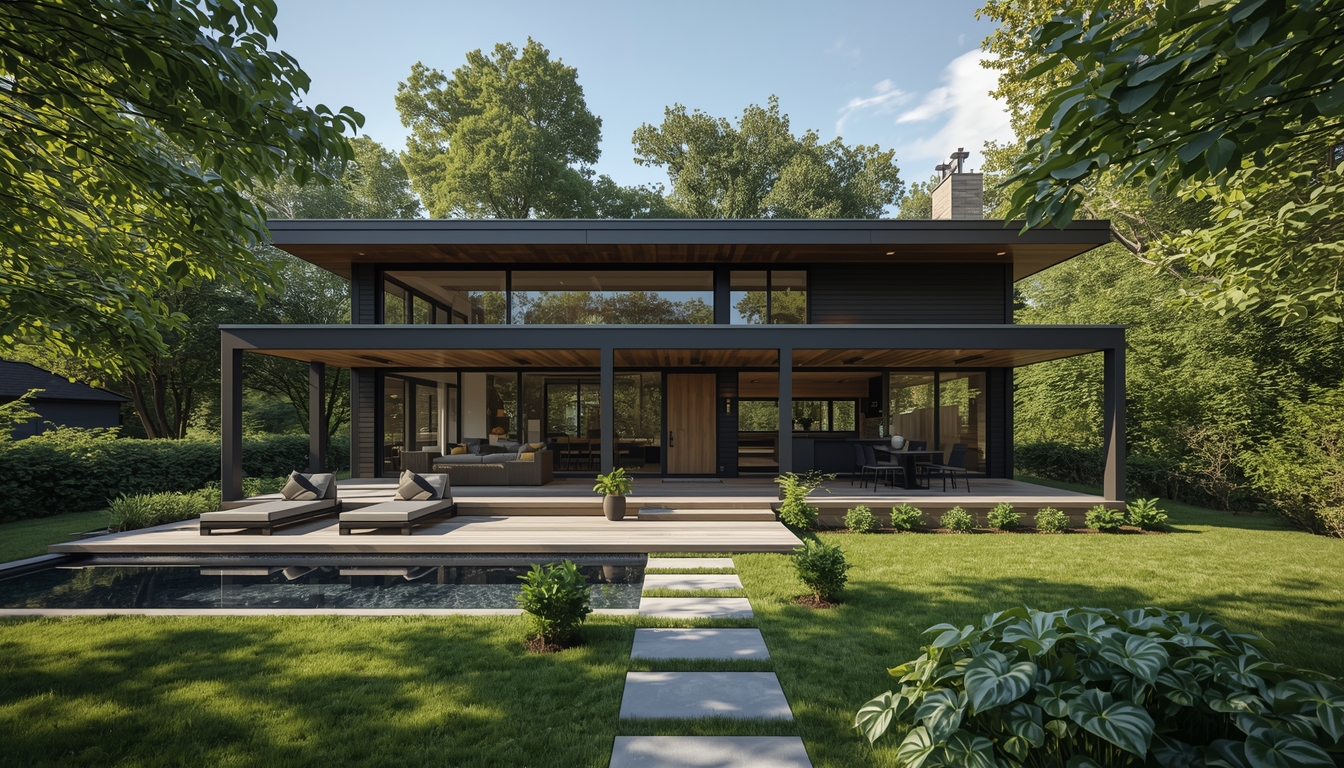
In today’s fast-paced world, creating a sustainable home sanctuary is more than a trend—it’s a necessity. A sustainable home reduces environmental impact while fostering peace, health, and mindfulness. By integrating eco-friendly practices, you can transform your living space into a rejuvenating retreat that aligns with nature. This guide explores five practical ways to build a sustainable home sanctuary, blending functionality, aesthetics, and environmental responsibility. Whether you’re in a cozy apartment or a spacious house, these strategies will help you craft a space that nurtures both you and the planet.
1. Embrace Energy-Efficient Lighting and Appliances
The foundation of a sustainable home sanctuary lies in energy conservation. Traditional incandescent bulbs and outdated appliances consume excessive electricity, driving up costs and carbon footprints. Switching to energy-efficient alternatives is a simple yet impactful step.
Start by replacing all lighting with LED bulbs, which use up to 75% less energy and last 25 times longer than traditional bulbs, according to the U.S. Department of Energy. Install smart lighting systems with motion sensors or timers to eliminate unnecessary usage. For appliances, opt for Energy Star-certified models—refrigerators, washing machines, and dishwashers that meet strict efficiency guidelines.
Enhance your sanctuary’s ambiance with natural light. Position furniture near windows and use sheer curtains to maximize daylight, reducing reliance on artificial sources. Solar-powered outdoor lights or indoor solar chargers add a modern, eco-conscious touch. These changes not only lower utility bills but also create a serene, well-lit environment that promotes relaxation and productivity.
2. Incorporate Sustainable Materials and Furniture
Your home’s furnishings play a pivotal role in sustainability. Conventional furniture often involves harmful chemicals, deforestation, and non-recyclable materials. Choosing sustainable alternatives ensures your sanctuary is both beautiful and benevolent to the earth.
Prioritize furniture made from reclaimed wood, bamboo, or recycled metals. These materials reduce demand for virgin resources and minimize waste. Look for certifications like FSC (Forest Stewardship Council) for wood products, ensuring responsible sourcing. Upholstery should feature organic cotton, hemp, or recycled polyester fabrics free from toxic dyes.
Second-hand and vintage pieces are excellent options. Thrift stores, online marketplaces, and antique shops offer unique items with character, diverting goods from landfills. Refinishing old furniture with low-VOC paints or sealants maintains indoor air quality, crucial for a healthy sanctuary.
Incorporate multifunctional pieces, like a sofa bed or ottoman with storage, to maximize space in smaller homes. This minimalist approach reduces clutter, fostering mental clarity while aligning with sustainable living principles.
3. Cultivate Indoor Plants and Green Spaces
Nothing elevates a home sanctuary like the presence of nature. Indoor plants purify air, regulate humidity, and boost mood, creating a biophilic environment that connects you to the outdoors.
Select low-maintenance, air-purifying plants such as snake plants, peace lilies, or pothos, which remove toxins like benzene and formaldehyde, per NASA’s Clean Air Study. Group plants in clusters to form living walls or corner gardens, enhancing visual appeal and oxygen levels.
For sustainability, use recycled or biodegradable pots made from coconut coir, terracotta, or repurposed containers. Compost kitchen scraps to create nutrient-rich soil, closing the loop on waste. Vertical gardening systems save space and allow urban dwellers to grow herbs like basil or mint, reducing grocery trips and plastic packaging.
Water plants with collected rainwater or greywater from showers (filtered appropriately) to conserve resources. This green integration not only sustains the ecosystem but also transforms your home into a tranquil, oxygen-rich haven.
4. Implement Water-Saving Fixtures and Habits
Water scarcity affects billions globally, making conservation essential for a sustainable sanctuary. Simple upgrades and mindful practices can significantly reduce usage without compromising comfort.
Install low-flow showerheads, faucets, and dual-flush toilets, which can cut water use by 50% or more, according to the EPA. Aerators on faucets mix air with water, maintaining pressure while saving gallons per minute. Collect rainwater in barrels for gardening or indoor plant watering, especially in drought-prone areas.
Adopt habits like shorter showers, full dishwasher loads, and fixing leaks promptly—a dripping faucet wastes up to 3,000 gallons annually. Greywater systems, where permissible, recycle sink and shower water for irrigation.
Incorporate water-wise design elements, such as pebble pathways or drought-resistant outdoor plants if you have a yard. These features create a meditative, low-maintenance landscape that mirrors your indoor sanctuary’s ethos of harmony and efficiency.
5. Reduce Waste Through Mindful Consumption and Recycling
A true sustainable home sanctuary minimizes waste, embracing a circular economy mindset. This involves conscious purchasing, repurposing, and robust recycling systems.
Begin with a zero-waste kitchen: use reusable beeswax wraps instead of plastic, glass jars for storage, and cloth napkins over paper. Shop bulk bins with your own containers to eliminate packaging. Compost organic waste—food scraps and yard trimmings—to divert up to 30% of household waste from landfills, per the EPA.
Set up a home recycling station with clearly labeled bins for paper, plastic, glass, and metals. Extend this to e-waste by properly disposing of old electronics through certified programs. Upcycle items creatively: turn wine bottles into vases or old t